
Buying a Renovated Denver Home? 8 Things I’d Check Before Paying the Premium
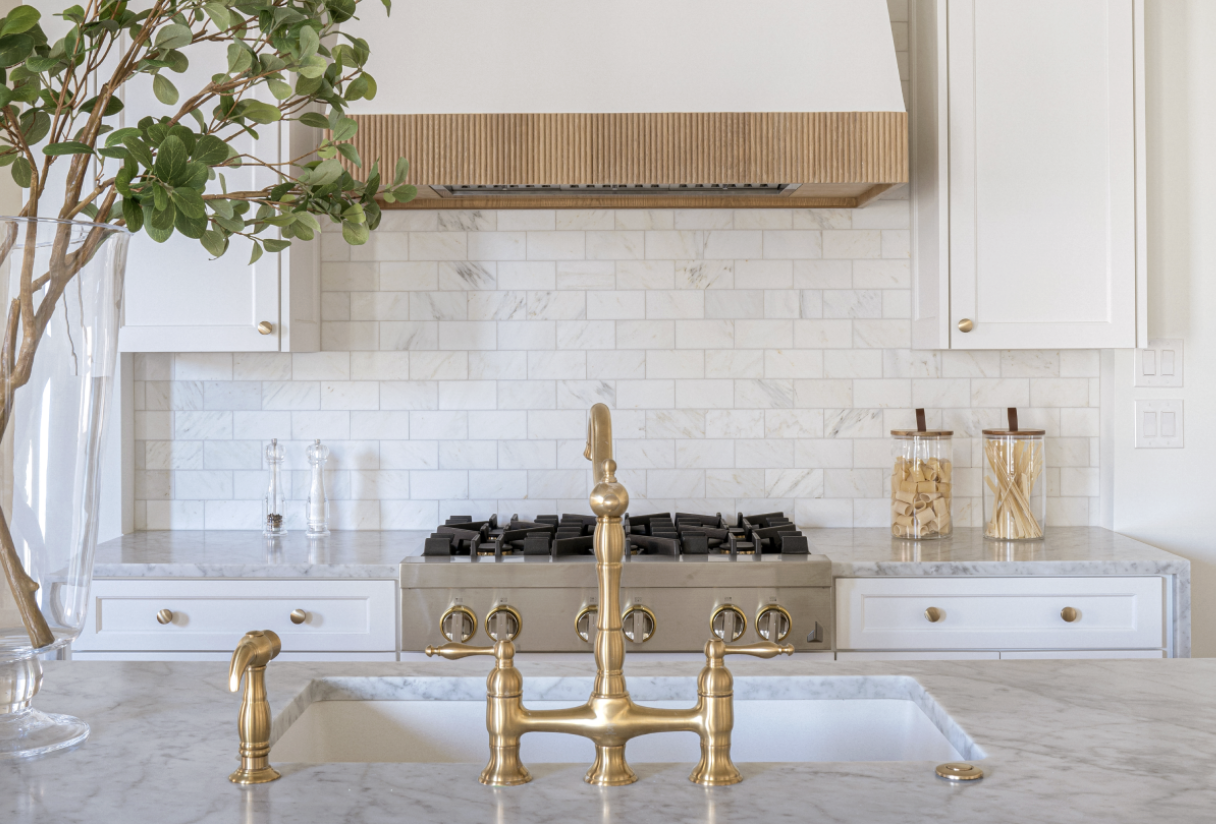
There is no shortage of beautifully renovated homes hitting the Denver real estate market right now. New kitchens, wide-plank floors, designer lighting, fresh landscaping, statement tile—the kind of homes that photograph beautifully and make it easy to imagine moving right in…And I love a good renovation.
Denver has an incredible inventory of older homes, from 1950s and '60s ranches to mid-century homes, Tudors and bungalows that are now getting major makeovers. Some renovations are incredibly thoughtful and comprehensive. Others put most of the budget into the things buyers can see. Before paying top dollar, here are eight things I would look at.
1. Find Out What Was Actually Renovated
"Fully renovated" can mean very different things. Was the house taken down to the studs? Were plumbing and electrical systems updated? Were walls moved? Were windows replaced? Or was the renovation primarily flooring, cabinets, countertops, bathrooms and paint?
There is nothing inherently wrong with a cosmetic renovation. You just want to know what you're paying for. If a seller is asking a significant premium because a home has been renovated, I want to understand how much of that investment went beyond finishes.
2. Check the Permits
If the renovation included structural changes, electrical work, plumbing, additions or other significant improvements, permits may have been required. This is particularly important when a floor plan has been dramatically changed. That gorgeous open-concept kitchen may have involved removing walls or relocating major systems. Permit history can help give buyers a clearer picture of what was done and whether the appropriate approvals were obtained. It's not the most exciting part of touring a house, but it's something I want my buyers to understand before closing.
3. Look Past the Kitchen
The kitchen is usually where a renovated home makes its biggest first impression. But after admiring the countertops, cabinets and appliances, start looking at the less glamorous parts of the house. How old is the roof? What about the furnace and air conditioning? Has the electrical panel been updated? What condition are the windows in? How old is the water heater? A $75,000 kitchen is wonderful. Having to replace a roof, HVAC system and windows shortly after closing is less wonderful. The age of the major systems matters when deciding whether a home's premium price is justified.
4. Pay Attention to the Sewer Line
This is a big one in many established Denver-area neighborhoods. A beautifully renovated 1950s or 1960s home may still have an original sewer line underground. Depending on the age and material, sewer lines can develop cracks, root intrusion or other issues that aren't obvious during a showing. For older homes, I generally think a sewer scope is money well spent. It's a relatively small inspection compared with the potential cost of discovering a major sewer issue after closing.
5. Look Closely at the Quality of the Work
There is a difference between a home that has been thoughtfully renovated and one that has simply been made to look renovated. Look closely at the details. Do doors close properly? Are cabinet doors aligned? Are flooring transitions clean? Does the tile work look precise? Are outlets and switches installed neatly? Do drawers open without hitting something else? None of these things alone necessarily signals a major problem. But collectively, the small details can tell you quite a bit about the level of care that went into a renovation. Beautiful materials don't automatically equal beautiful craftsmanship.
6. Understand Any Structural Changes
Some of the most dramatic renovations involve changing the original floor plan. Walls disappear. Kitchens get expanded. New doors are added to the backyard. Primary suites are created. Garages are expanded or additions are built. These improvements can add tremendous value—but they're also the areas where I want more information. What was changed? Who performed the work? Was engineering involved when necessary? Were permits pulled? If a renovation included meaningful structural modifications, buyers should understand exactly what was done.
7. Don't Ignore the Outside
Interior renovations get most of the attention, but Colorado's climate makes the exterior of a home just as important. Look at grading and drainage around the foundation. Check the condition of the roof, gutters, siding, windows, decks and retaining walls. And don't underestimate landscaping. A professionally designed yard with irrigation, fencing, mature plantings, patios and outdoor living areas can represent a substantial investment. On the other hand, fresh sod and a few new plants shouldn't distract you from drainage or exterior maintenance issues. The renovation should make sense from the curb all the way through the house.
8. Decide Whether the Premium Makes Sense
Ultimately, this is the question. A beautifully renovated home absolutely can be worth paying more for. You're paying for someone else to manage the contractors, make the design decisions, live through the construction and take on the risk that comes with a major renovation. For many buyers, that convenience has real value.
But I don't automatically give a renovated home full credit for every dollar the seller says they invested. I want to compare it with recent sales, understand the quality and scope of the renovation, account for the age of the home's remaining systems and then decide what the market actually supports. A $200,000 renovation doesn't necessarily make a house worth $200,000 more. At the same time, an exceptional renovation in the right neighborhood can command a substantial premium—especially when the improvements would be difficult or expensive for a buyer to recreate today.
Pretty Matters. So Does Everything Behind It.
I love walking into a house where someone clearly had a vision. Great design can completely transform an older Denver home. But when I'm helping a buyer evaluate a renovated property, I'm looking at more than the finishes. I want to know what's new, what's original, what was permitted, what may need attention in the next few years and how the home's price compares with the surrounding market. Because the goal isn't simply to buy the prettiest house. It's to make sure you're paying the right price for what's actually there.
If you're considering a renovated home in Denver, Golden, Lakewood, Wheat Ridge, Arvada or the surrounding area, I'd be happy to help you evaluate the property, renovation and comparable sales before you make an offer.