
The Denver Real Estate Market Is Changing. Here's What Q3 2026 Tells Us.
The Denver real estate market has entered a new chapter, and it's one that I find particularly interesting. After years of intense competition, rapidly appreciating home values, and buyers making decisions at lightning speed, we're seeing a market that is becoming more thoughtful, more selective, and a little more balanced. As we close out the third quarter of 2026, the numbers tell a compelling story. Buyers have more options, sellers are having to be more intentional, and the homes that stand out are doing so for reasons that extend well beyond their square footage.
But before we get into the numbers, there's something worth remembering: real estate is incredibly local. What's happening in central Denver isn't necessarily what's happening in Golden, Applewood, or Wheat Ridge. Even two homes in the same neighborhood can experience very different outcomes depending on their condition, architecture, pricing, and presentation. Let's take a closer look at what the latest data is telling us.
The Denver Real Estate Market Is Changing. Here's What Q3 2026 Tells Us.
The Denver real estate market has entered a new chapter, and it's one that I find particularly interesting. After years of intense competition, rapidly appreciating home values, and buyers making decisions at lightning speed, we're seeing a market that is becoming more thoughtful, more selective, and a little more balanced. As we close out the third quarter of 2026, the numbers tell a compelling story. Buyers have more options, sellers are having to be more intentional, and the homes that stand out are doing so for reasons that extend well beyond their square footage.
But before we get into the numbers, there's something worth remembering: real estate is incredibly local. What's happening in central Denver isn't necessarily what's happening in Golden, Applewood, or Wheat Ridge. Even two homes in the same neighborhood can experience very different outcomes depending on their condition, architecture, pricing, and presentation. Let's take a closer look at what the latest data is telling us.
Home Prices Are Softening, but the Story Is More Complicated
According to REcolorado's September 2026 housing market report, the median closed home price across the Denver metro area reached $575,000, representing a 2% decline compared with September 2025. Compared with August, the median price declined approximately 3%. For anyone who has watched Denver real estate over the past decade, those numbers are notable. We've grown accustomed to a market where appreciation felt almost inevitable, but the current environment is reminding us that real estate, like any market, moves in cycles.
Does this mean home values are collapsing? Absolutely not. It means buyers are becoming more discerning about what they're willing to pay, and sellers can no longer rely on yesterday's comparable sales without considering today's competition. In markets like Golden and Applewood, where desirable locations, architectural character, and limited inventory can create their own microeconomies, pricing requires a particularly nuanced approach. A beautifully renovated home with thoughtful finishes may attract a very different buyer response than a similarly sized property requiring significant updates. The takeaway? The right price isn't simply a number pulled from a neighborhood average. It's a reflection of what buyers value today.
More Homes, More Choices, and a Different Kind of Buyer
One of the most significant developments heading into the final quarter of 2026 is the amount of inventory available to buyers. September ended with 13,522 active listings across the Denver metro area, a 2% increase over the previous year. Meanwhile, pending sales declined 13% year over year, suggesting that although homes are continuing to enter the market, buyers aren't absorbing that inventory at the same pace. This is a meaningful shift in negotiating dynamics.
For buyers, having options changes everything. Instead of feeling pressured to make an immediate offer on the first acceptable property, there's more opportunity to compare homes, evaluate condition, negotiate inspection items, and consider whether a property genuinely fits their lifestyle. I'm seeing the importance of this distinction in the types of homes buyers gravitate toward. Floor plans that function beautifully, natural light, quality materials, usable outdoor spaces, and thoughtful renovations all contribute to how a property is perceived. Buyers aren't necessarily looking for the largest house. They're looking for the right house, and increasingly, they're willing to wait for it.
The Homes That Sell Are Still Selling
Here's where the market gets especially interesting. Despite declining transaction volume, homes that sold in September spent a median of 33 days in the MLS, four days fewer than during the same month last year. At first glance, that might seem contradictory. If buyers are taking their time and inventory is increasing, why are some homes selling faster? Because not every property is experiencing the same market.
A home that's priced appropriately, beautifully presented, and positioned effectively can still generate meaningful interest. Meanwhile, properties that enter the market with overly ambitious pricing or lackluster presentation may struggle to attract buyers. This is why I've always believed that real estate marketing should be about much more than putting a sign in the yard. Professional photography, staging, compelling storytelling, and an understanding of a home's architectural and lifestyle appeal are essential components of a successful sale. In a market where buyers have more choices, presentation isn't simply an added luxury. It's part of the strategy.
What This Means for Golden, Wheat Ridge, and Lakewood
While Denver metro statistics provide a useful overview, the communities west of Denver deserve a closer look. Golden continues to offer something that's difficult to replicate: proximity to the mountains, access to outdoor recreation, a charming downtown, and an established sense of community. Those qualities create a unique appeal for buyers seeking a lifestyle that blends Colorado's natural beauty with convenient access to Denver.
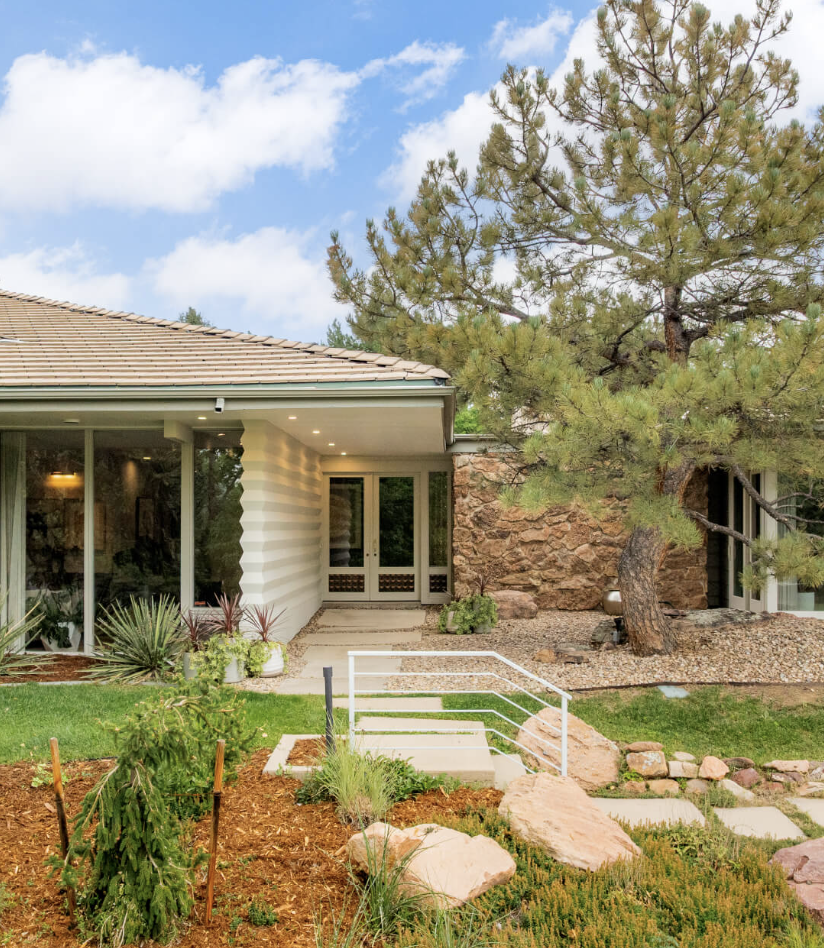
Wheat Ridge has its own story. Neighborhoods with mature trees, larger lots, midcentury architecture, and thoughtfully renovated homes offer buyers a compelling alternative to newer developments. For design-minded buyers, there's tremendous appeal in a home with character and the opportunity to make it their own. Lakewood, particularly areas like Applewood, offers another distinctive combination of location, established neighborhoods, and diverse housing styles. Buyers can find everything from classic ranch homes to substantial custom properties, often within a short drive of both downtown Denver and the foothills.
What these communities share is that the best properties can't always be evaluated by price per square foot alone. Lot orientation, privacy, views, renovation quality, architectural details, and neighborhood character can all influence value. Understanding those nuances is especially important when broader market conditions are changing.
Sellers: The Days of Testing the Market Are Fading
If there's one message I'd share with homeowners considering selling in late 2026 or early 2027, it's this: strategy matters more than ever. When inventory is limited and competition is intense, sellers can sometimes get away with pricing aggressively and waiting for buyers to catch up. In a more balanced market, that approach becomes considerably riskier. The first few weeks of a listing are incredibly valuable. That's when a property receives attention from buyers who have been actively searching and are eager to see something new.
An overpriced home can miss that initial window, accumulate days on market, and eventually require a reduction that might have been avoided with a more thoughtful launch. My approach is to look at the entire picture before bringing a property to market. What are buyers responding to? Which comparable properties are actually selling? How does the home photograph? Would staging improve its presentation? Are there small improvements that could make a meaningful difference? Sometimes the smartest investment isn't a major renovation. It might be updated lighting, fresh paint, improved landscaping, or simply rethinking how a room is furnished. The goal is to make a home feel both aspirational and attainable to the right buyer.
Buyers: Opportunity Doesn't Always Mean a Lower Purchase Price
For buyers, this market offers something we haven't consistently experienced in recent years: breathing room. With more inventory and fewer pending transactions, buyers may have greater opportunities to negotiate beyond the asking price. Depending on the property and seller's circumstances, that could mean closing cost concessions, inspection repairs, interest-rate buydowns, or more favorable contractual terms. And those details can have a substantial financial impact.
A seller concession that helps reduce a buyer's mortgage rate may be more valuable than a modest reduction in purchase price. Similarly, negotiating necessary repairs before closing can preserve cash for improvements after moving in. Of course, the most desirable homes can still attract competition. Buyers should be prepared to act decisively when the right opportunity appears, even in a slower overall market. The advantage today is having more room to make informed decisions rather than reactive ones.
Looking Ahead: What Could 2027 Bring?
As we approach the end of 2026, I expect the conversation around Denver real estate to remain focused on affordability, mortgage rates, inventory, and the evolving expectations of buyers. If inventory remains elevated relative to demand, sellers may need to continue adjusting their pricing and marketing strategies. Conversely, any meaningful improvement in mortgage affordability could encourage buyers who have been waiting on the sidelines to reenter the market.
For homeowners considering selling next spring, the coming months offer an excellent opportunity to prepare. Evaluating improvements, planning photography and staging, and understanding neighborhood competition well in advance can create a meaningful advantage. For buyers, fall and winter may present opportunities worth exploring, particularly among properties that have been on the market longer or whose sellers have more flexible timelines. No one can predict exactly what 2027 will bring, but one thing is clear: the market is rewarding preparation, patience, and informed decision-making.
My Take: Good Real Estate Is Always About More Than the Numbers
I spend a lot of time thinking about what makes a home special. Sometimes it's exceptional architecture or a beautifully designed kitchen. Other times it's the way the afternoon light moves through a living room, a backyard that feels like a private retreat, or a neighborhood where families put down roots for generations. Market statistics are important. They help us understand pricing trends, buyer demand, and negotiating opportunities. But they don't tell the entire story of a home or the people who will eventually live there.
The third quarter of 2026 reminds us that real estate isn't simply about timing the market. It's about understanding it and making decisions that align with your goals. Whether you're considering selling a home in Golden, searching for something special in Wheat Ridge or Applewood, or exploring your options throughout the Denver metro area, I'd love to help you navigate what's next.
Homes by Halley | Golden, Colorado & Denver Metro
Thoughtful real estate. Beautiful homes.
Sources: REcolorado September 2026 Housing Market Report and milehimodern Denver + Boulder Quarterly Market Report. September statistics provide an end-of-quarter snapshot rather than full-quarter totals; the milehimodern flipbook's figures have not been independently extracted.